Case Studies

Representative examples of complex online fraud and financial loss situations, showing how case information, digital records, and transaction activity may be organized and reviewed.

Online Investment Scam Case Study Case Study 01

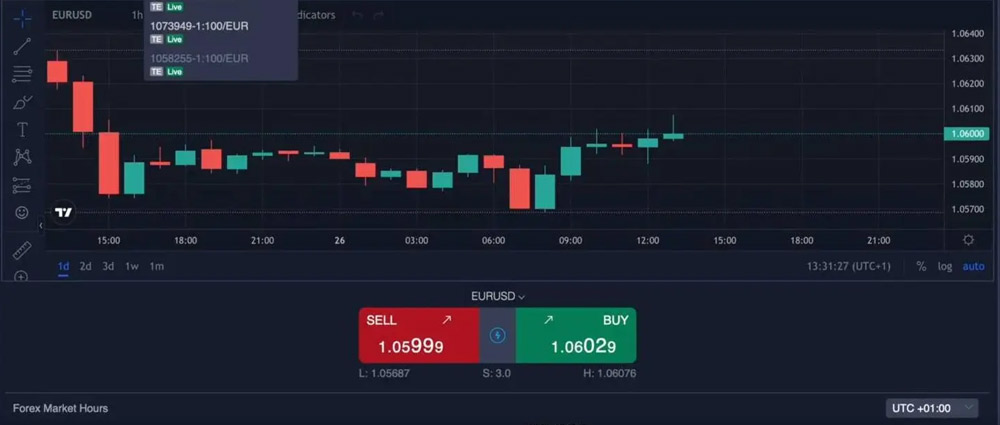
Online Investment Platform Scam

A client discovered an investment opportunity through an online advertisement and was directed to a professional-looking trading platform. Initial account figures appeared to show positive returns, followed by requests for additional deposits, account verification payments, and withdrawal-related fees. When access to the reported balance became restricted, the client sought assistance. The case review considered platform information, account communications, payment records, transaction dates, screenshots, and the sequence of events surrounding the reported investment activity.


Cryptocurrency Fraud Case Study Case Study 02

Cryptocurrency Investment Fraud

A client was introduced to a cryptocurrency investment opportunity through an online contact who provided instructions for transferring digital assets. Multiple transfers were later made to different wallet addresses while an online dashboard displayed account balances and reported gains. When the client attempted to withdraw the funds, further deposits were requested. The review brought together wallet addresses, transaction hashes, exchange records, screenshots, chat history, payment details, and other information associated with the reported digital asset activity.

Romance Scam Case Study Case Study 03

Romance & Relationship Scam

A client developed a long-term online relationship with someone they had not met in person. As communication continued, the individual described a series of urgent financial problems and requested assistance through different payment methods. Over time, the client became concerned that the identity and circumstances presented online may not have been genuine. The case review examined communication history, payment records, account information, profile details, screenshots, and the timeline of reported interactions.

Bank Transfer Fraud Case Study Case Study 04

Unauthorized Bank Transfer Case

A client reported unexpected bank transfers after responding to a message that appeared to come from a financial institution. Several transactions were initiated within a limited period and included recipients the client did not recognize. After noticing the activity, the client contacted the relevant institution and began collecting supporting records. The case review considered transaction dates, recipient information, account communications, payment instructions, login-related notices, and other documentation available from the reported incident.

Phishing and Identity Fraud Case Study Case Study 05

Phishing & Identity Fraud

A client received an email and message containing a link that closely resembled a familiar online service. After entering account information, the client noticed unusual login notifications and other suspicious account activity. The original message and related website were preserved for review along with screenshots and notification records. The case documentation focused on the reported phishing communication, website details, account activity, login notices, and the sequence of events following the reported interaction.

Online Shopping Fraud Case Study Case Study 06

Online Shopping & Payment Scam

A customer placed an order after finding an online store through a digital advertisement and completed payment through the website. The order was not delivered within the expected timeframe, and later attempts to contact the seller produced limited or inconsistent responses. The client collected the order confirmation, payment receipt, website information, correspondence, shipping details, and screenshots. The review focused on organizing these records and documenting the reported transaction from the original purchase through the subsequent contact attempts.

Business Email Compromise Case Study Case Study 07

Business Email Compromise

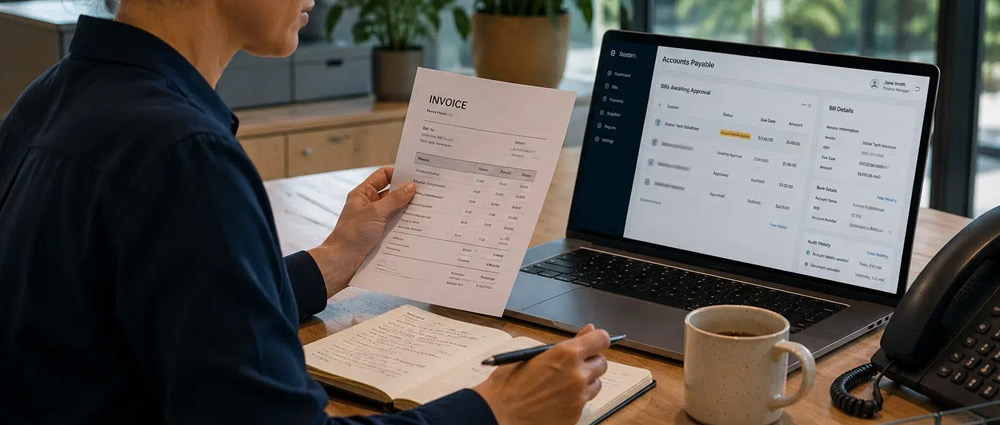
A small business received a payment request that appeared to come from a familiar business contact. Shortly before a scheduled transaction, revised payment instructions were provided and funds were subsequently sent to an unfamiliar account. The discrepancy was identified after the transfer had been initiated. The case review included correspondence, sender information, invoice details, payment instructions, recipient records, available email information, and the sequence of communications surrounding the reported transfer.

Government Impersonation Scam Case Study Case Study 08

Government Impersonation Scam

A client received a call from individuals claiming to represent a government agency and was told that an account or identity matter required immediate attention. The caller requested payment and provided instructions intended to create a sense of urgency. After completing the payment, the client questioned the legitimacy of the contact. The case review considered phone numbers, caller information, messages, payment records, documents, screenshots, and other available materials connected with the reported impersonation incident.

Tech Support Scam Case Study Case Study 09

Tech Support Scam

A client encountered an online warning that appeared to indicate a serious computer or account security problem and was directed to a support telephone number. The individual on the call claimed to provide technical assistance and requested remote access and payment for security-related services. Afterward, the client noticed additional concerns involving accounts and financial activity. The case review examined communications, phone information, payment records, screenshots, and other available evidence.

Real Estate Wire Fraud Case Study Case Study 10

Real Estate Wire Fraud

During a property transaction, a buyer received wiring instructions that appeared to relate to the closing process. The instructions directed funds to an account that differed from previously provided information, and the discrepancy was discovered after the transfer had been initiated. The case review considered email communications, payment instructions, property-related documents, sender information, bank transfer records, and the timeline of communications leading up to the reported wire transfer.